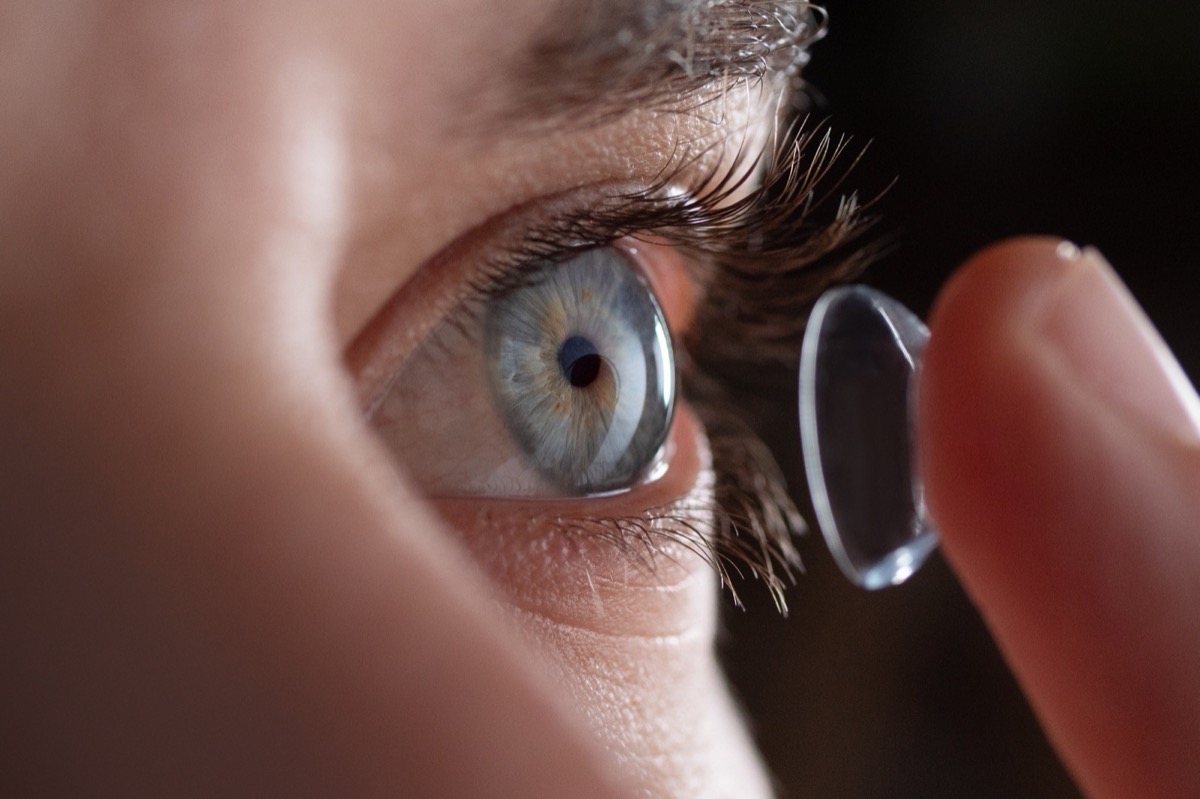
Thinking about contacts? Already wearing them? Either way, we’ve got you.
A contact lens exam makes sure your lenses fit well, feel comfortable, and keep your eyes healthy. Whether you’re trying contacts for the first time or just need your annual prescription renewal, we’ll walk you through everything.
What is a contact lens exam?
A contact lens exam includes everything in a comprehensive eye exam — vision check, updated prescription, eye health screening — plus extra steps specific to contact lenses:
Corneal measurements — your cornea’s shape and size determine which lenses will fit correctly
Tear film evaluation — we check that your eyes produce enough tears to stay comfortable in contacts
Lens selection — your doctor recommends the best lens type (daily, biweekly, monthly) and material based on your prescription, lifestyle, and eye health
Trial lenses — you’ll try on lenses in the office so we can check the fit before you leave
A contact lens exam is separate from a regular eye exam and has a separate fee. Even if you had an eye exam recently, you’ll need this additional evaluation to wear contacts safely.
New to contacts?
If you’ve never worn contacts before, here’s what to expect. It’s much easier than you think — and our team does this every day.
Your first appointment
Your doctor will do a full contact lens exam, help you choose the right type of lens, and place trial lenses on your eyes so you can see how they feel. Most first-time wearers are surprised at how comfortable modern contacts are.
Insertion and removal training
Before you go home with your trial lenses, one of our opticians will sit with you and teach you how to put your contacts in and take them out. This is a hands-on session — you’ll practice until you feel confident.
Watch these before your appointment — it helps your training session go faster and smoother:
How to Insert Contact Lenses
How to Remove Contact Lenses
Preparing for your I&R appointment
Wash your hands with soap and water, then dry them completely before touching your lenses
Skip heavy eye makeup — mascara and eyeliner get in the way of lens placement
Trim your fingernails — long nails make it harder to handle lenses and can scratch your eye
Give yourself time — plan for about 30 minutes. Most people get it in one session
If you need a second training session, that’s completely fine — some people do, and there’s no extra charge. We’d rather you feel confident than send you home frustrated.
Your follow-up
After wearing your trial lenses for about a week, you’ll come back so your doctor can check the fit, make sure your eyes are happy, and finalize your prescription. This visit is included.
Caring for your contacts
Taking good care of your lenses is the single most important thing you can do to keep your eyes healthy as a contact lens wearer. These aren’t just suggestions — they’re the habits that prevent infections.
Always wash your hands
Before putting lenses in or taking them out. Every time. Soap and water, dried completely.
Never use water on your lenses
No tap water, no bottled water, no saliva. Only use the contact lens solution your doctor recommends.
Replace on schedule
If your lenses are dailies, throw them out at the end of the day. Biweekly means every two weeks — not “until they feel uncomfortable.”
Don’t sleep in them
Even a nap increases your infection risk. Take them out before you close your eyes for the night.
Replace your case regularly
Swap out your contact lens case at least every three months. Rinse it with solution (not water) and let it air dry between uses.
Take them out if something feels off
Redness, pain, unusual blurriness, or sensitivity to light? Remove your lenses and call us. Don’t tough it out.
Already wearing contacts?
If you’re an experienced wearer, your annual contact lens exam is a chance for your doctor to make sure your current lenses are still the best option for your eyes. Even if your vision feels fine, contacts can cause subtle changes to your cornea over time that you won’t notice yourself.
Your appointment is also a good time to ask about:
Switching to dailies if you’re tired of cleaning and storing lenses
Multifocal contacts if you’re starting to need reading glasses
Dry eye solutions if your lenses feel less comfortable than they used to
New lens brands or materials that may have come out since your last exam
Contact lens prescriptions are valid for two years under Washington state law. We still recommend annual exams — even if your prescription hasn’t changed, your doctor needs to make sure your lenses aren’t causing any issues you might not notice.
Ready to reorder?
If you already have a current contact lens prescription, you can order your lenses online and pick them up at any of our three locations.
Is a contact lens exam different from a regular eye exam?
Yes. A contact lens exam includes everything in a comprehensive eye exam plus additional measurements of your cornea and tear film to determine the right lens fit, material, and prescription for contacts. It’s a separate exam with a separate fee.
How long does it take to learn to put in contacts?
Most new wearers get comfortable within the first training session, which takes about 20–30 minutes. Some people need a second session, and that’s completely normal. Our opticians are patient and will work with you until you feel confident.
Can my child wear contact lenses?
Many kids do great in contacts, especially for sports and activities. Maturity matters more than age — if your child is motivated and can follow care instructions, they may be a good candidate. Your doctor will help you decide.
How often do I need a contact lens exam?
Contact lens prescriptions are valid for two years under Washington state law. We still recommend annual exams — even if your prescription hasn’t changed, your doctor needs to make sure your lenses aren’t causing any issues you might not notice.
Can I sleep in my contacts?
Some lenses are FDA-approved for overnight wear, but sleeping in contacts significantly increases your risk of eye infections — even with extended-wear lenses. We generally recommend removing them every night. Your doctor can discuss what’s safest for you.
What if contacts don’t work for me?
Not every eye is a perfect fit for standard contacts — and that’s okay. If standard lenses aren’t comfortable, we offer specialty contact lenses including scleral lenses and custom fits. And of course, our optical has hundreds of great frames if you decide contacts aren’t for you.
Your contact lens team
All four of our optometrists fit contact lenses and are happy to work with new and experienced wearers alike.