Blepharitis, Styes & Chalazia

If you’re dealing with crusty, irritated eyelids, a bump that won’t go away, or both — you’re in the right place. Blepharitis, styes, and chalazia are some of the most common eyelid conditions we see, and they’re more connected than most people realize. They all trace back to the same thing: inflammation and dysfunction of the glands and skin along your eyelid margins.

The good news is that we have effective treatment options — from daily lid care to IPL (Intense Pulsed Light) therapy, a noninvasive in-office treatment that can address both the symptoms and the underlying cause.

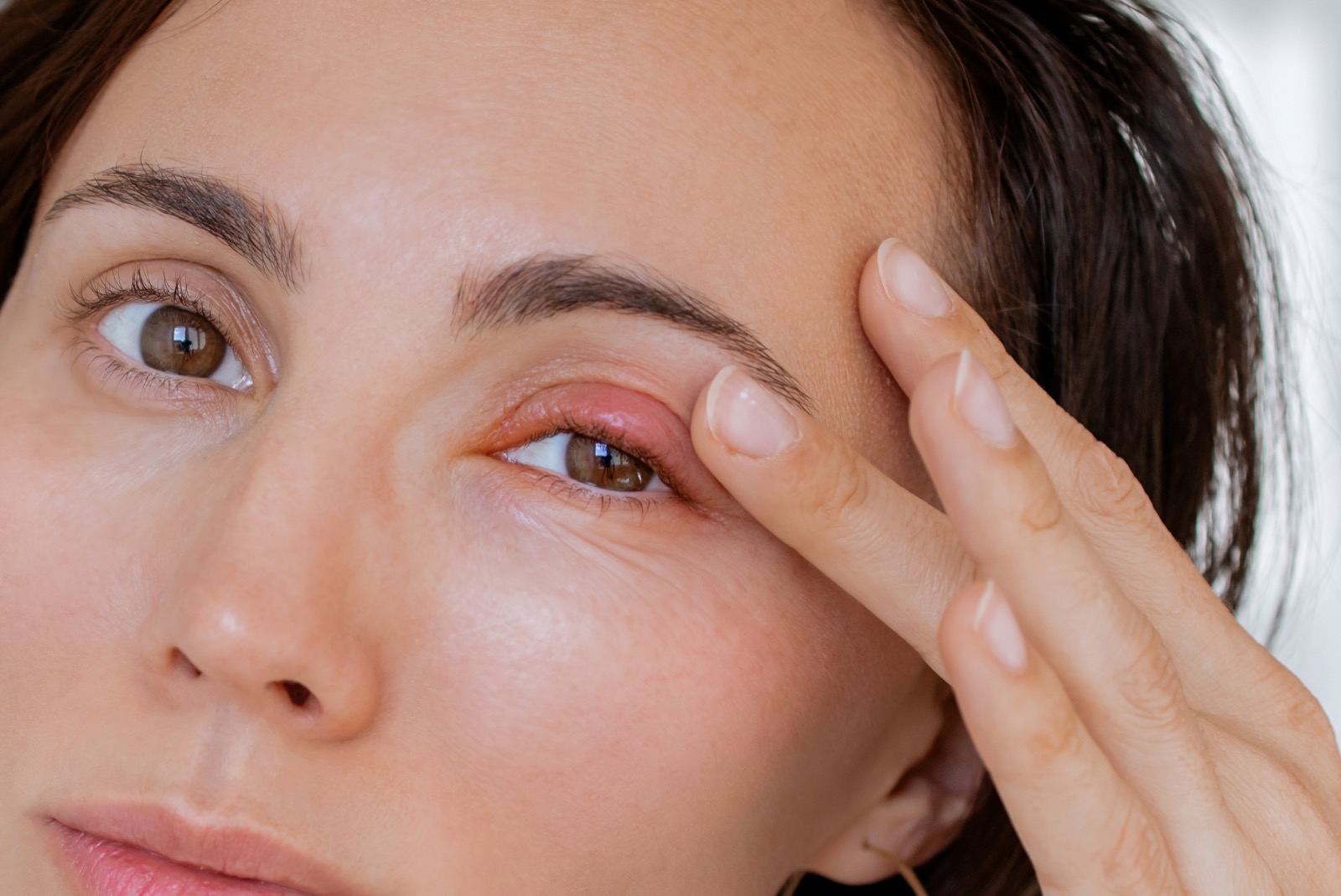
Woman with a stye on her eyelid touching the area around her eye

What Is Blepharitis?

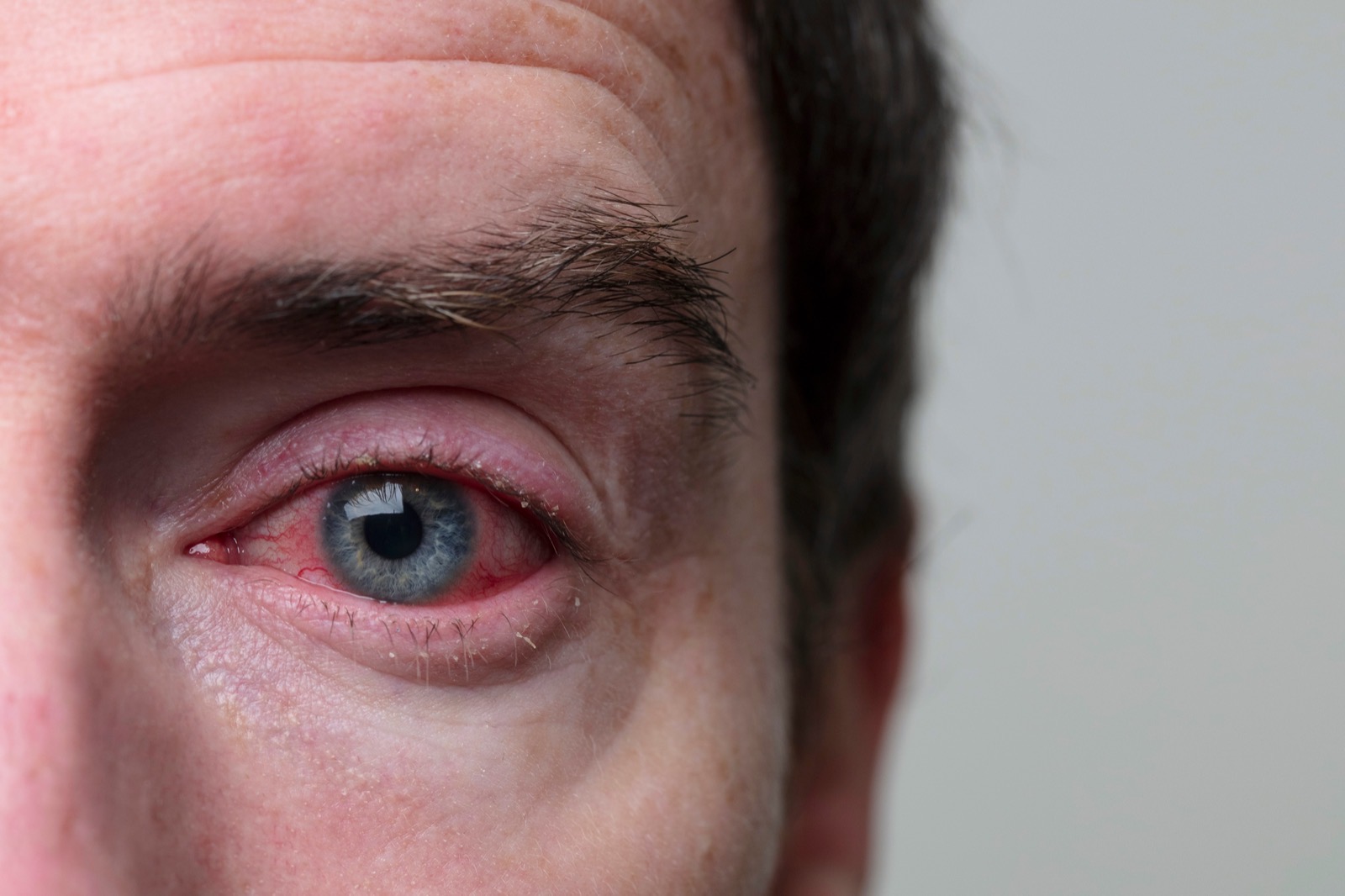
Close-up of an eye with blepharitis showing red, inflamed eyelid margins
Blepharitis is a common condition that contributes to red, irritated eyes.

Blepharitis is chronic inflammation of the eyelid margins — the edges of your lids where your lashes grow. If you’ve noticed any of the following, blepharitis may be what’s going on:

  • Crusty or flaky debris at the base of your lashes, especially when you wake up
  • Red, swollen, or irritated lid margins
  • A gritty, burning, or stinging sensation in your eyes
  • Eyes that feel dry or watery — or both
  • Itchy eyelids

Blepharitis is extremely common and tends to be a chronic, recurring condition rather than something that shows up once and goes away. It’s caused by a combination of bacterial overgrowth along the lid margin and dysfunction of the meibomian glands (the oil-producing glands in your eyelids). If that sounds familiar from reading about dry eye — it should. Blepharitis and meibomian gland disease overlap heavily, and many patients have both.

Left unmanaged, blepharitis creates the perfect setup for styes and chalazia. The inflamed, bacteria-laden lid margins lead to clogged glands, and clogged glands lead to bumps. That’s why treating blepharitis isn’t just about comfort — it’s about breaking the cycle that produces styes.

How we treat blepharitis

The foundation is consistent lid hygiene — and doing it the right way matters more than most people realize:

  • Warm compresses — 10–15 minutes with sustained heat to soften clogged meibomian gland oils. A microwavable eye mask holds heat much better than a washcloth.
  • Lid scrubs — gently cleaning the lid margins to remove debris and reduce bacterial buildup. We can recommend specific products (hypochlorous acid sprays are a favorite — effective, gentle, and easy to use).
  • Prescription treatments — for moderate to severe blepharitis, antibiotic or anti-inflammatory ointments or drops applied to the lid margins can help get things under control.
  • IPL therapy — for chronic blepharitis that doesn’t respond well to lid hygiene alone, IPL targets the inflammation and bacterial component at the source. More on this below.

Learn more about dry eye & meibomian gland disease

Stye vs. Chalazion — What’s the Difference?

People use “stye” as a catch-all, but there are actually two different things going on:

A stye (hordeolum) is an acute infection — usually bacterial — of a gland in or along the eyelid. It tends to be red, painful, swollen, and sometimes comes to a point like a small pimple. External styes form along the lash line; internal styes form deeper in the lid. Most styes are tender to the touch and develop over a few days.

A chalazion is a blocked meibomian gland that has become inflamed but isn’t actively infected. It usually presents as a firm, round bump in the eyelid that’s less painful than a stye — sometimes not painful at all — but can be persistent. Chalazia can start as styes that didn’t fully resolve, or they can develop on their own from chronic gland clogging.

Both are related to meibomian gland dysfunction. The glands get clogged, oil backs up, bacteria thrive, and you end up with a bump. That’s why treating just the bump without addressing the glands often leads to recurrence.

What to Do When You Get a Stye or Chalazion

Start with warm compresses — the right way. Apply a clean, warm compress to the affected eye for 10–15 minutes, 3–4 times a day. The heat helps soften the clogged oil and encourages the gland to open and drain. A warm washcloth works, but a microwavable eye mask holds heat longer and is more effective. The key is consistent, sustained heat — a lukewarm cloth held against your eye for two minutes won’t do it.

Don’t squeeze or pop it. We know it’s tempting. But squeezing a stye or chalazion can spread infection, worsen inflammation, or push the blockage deeper into the gland.

When to come in:

  • The bump hasn’t improved after a week of consistent warm compresses
  • It’s getting bigger or more painful
  • It’s affecting your vision (large chalazia can press on the eye and cause blurry vision)
  • You’re getting frequent styes or chalazia — more than once or twice a year
  • You have redness or swelling spreading beyond the bump itself
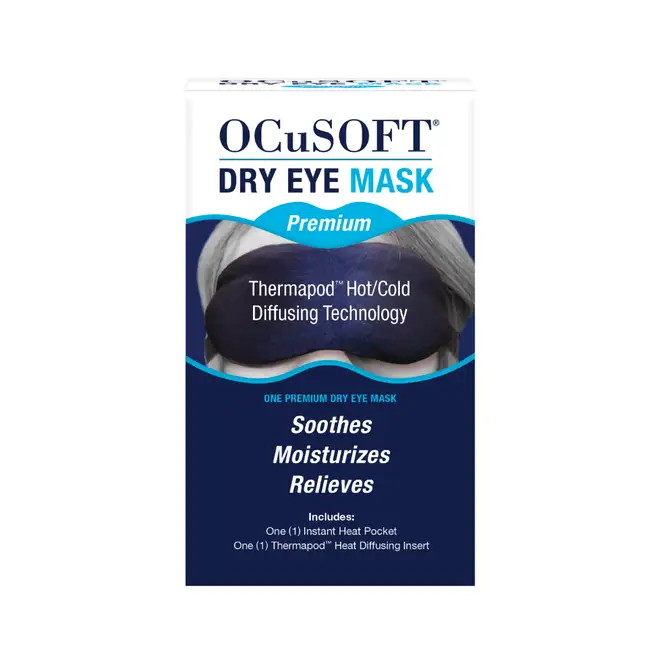
OcuSoft Dry Eye Mask — a heat therapy mask for treating styes and dry eye
A heat therapy mask is more effective than a hot washcloth for treating a stye.

Treatment Options

When warm compresses aren’t enough on their own, we have several options depending on the size, severity, and how long it’s been there.

In-office expression and lid care

For a stubborn chalazion, your doctor can manually express the clogged gland — essentially clearing the blockage under magnification in a controlled setting. This is more effective than anything you can do at home because we can apply targeted pressure to the specific gland that’s blocked.

Steroid injection

For certain chalazia — particularly newer ones that haven’t been present for too long — a steroid injection into or near the bump is an option. It can help reduce inflammation and may help the chalazion resolve without surgery. There are potential side effects we’ll discuss with you (including a small risk of skin lightening at the injection site or a temporary increase in eye pressure).

IPL (Intense Pulsed Light) therapy — treating the bump and the cause

This is where things get interesting. IPL isn’t just for dry eye — it’s one of the most effective treatments we have for styes and chalazia, especially recurring ones.

IPL uses gentle pulses of light applied to the skin around the eyes to reduce inflammation, kill the bacteria that contribute to gland infections, and improve the quality and flow of meibomian gland oil. It treats the acute problem and the underlying meibomian gland dysfunction that causes styes and chalazia to keep coming back.

What makes IPL appealing for stye and chalazion patients:

  • It’s noninvasive. No incision, no injection, no downtime. You sit in a chair, we place small protective metal shields on the surface of your eyes (after numbing drops, so you won’t feel them), and the treatment takes about 15 minutes.
  • It addresses the root cause. Most styes and chalazia happen because the meibomian glands are chronically inflamed and clogged. IPL targets that inflammation at the source — so instead of treating bump after bump, we treat the glands themselves.
  • Results improve over a series of sessions. Most patients do a series of 3–4 IPL treatments spaced a few weeks apart. Many notice improvement after the first session, with continued improvement over the series.

If you’re someone who gets styes or chalazia more than once or twice a year, IPL is worth a conversation. It can break the cycle in a way that warm compresses and antibiotics alone often can’t.

Learn more about IPL treatment at Arbor Eyecare

Surgical drainage (incision and curettage)

For very large or long-standing chalazia that haven’t responded to other treatments, minor surgical drainage is an option. This is done in the office under local anesthesia — we numb the area, make a small incision on the inside of the eyelid, and drain the contents. Recovery is usually quick, and the incision is on the inner lid so there’s no visible scar.

This is typically a last resort after more conservative options have been tried, but it’s very effective when it’s needed.
Why Do I Keep Getting Styes?

If you’re on your third (or tenth) stye, it’s not bad hygiene and it’s not bad luck. Recurring styes and chalazia are almost always a sign of underlying meibomian gland disease (MGD).

MGD means your meibomian glands are chronically inflamed, producing thick or poor-quality oil, or both. This creates the perfect setup for repeated blockages and infections. Until you address the MGD itself, you’re treating symptoms — not the cause.

Factors that contribute to MGD and recurrent styes:

  • Blepharitis — the chronic lid inflammation described above — is the most common driver
  • Skin conditions — rosacea and seborrheic dermatitis are closely linked to meibomian gland problems
  • Hormonal changes — particularly during and after menopause
  • Contact lens wear
  • Incomplete or infrequent blinking — common with heavy screen use
  • Environmental factors — dry air, heated indoor environments, wind

If this sounds like you, a dry eye and MGD evaluation is a smart next step. We can assess the health of your meibomian glands, determine what’s driving the recurrence, and put a plan in place — which may include IPL — to break the cycle.

Learn more about dry eye & meibomian gland disease

Common Questions

Blepharitis is typically a chronic condition — it can be managed very well, but it tends to come and go rather than disappear permanently. Think of it like managing your skin: with good daily habits (lid hygiene, warm compresses) and treatment when things flare, most patients keep it well controlled. IPL can provide longer-lasting relief for patients who struggle with frequent flare-ups.

Not in the way a cold is contagious. The bacteria that cause styes are commonly found on the skin. But you can spread bacteria from one eye to the other, so avoid touching or rubbing your eyes, wash your hands frequently, and don’t share towels or pillowcases while you have an active stye.

We recommend switching to glasses until the stye or chalazion has fully resolved. Contact lenses can trap bacteria and irritate an already inflamed eyelid.

Most styes resolve within 1–2 weeks with consistent warm compresses. Chalazia can take longer — sometimes weeks to months if they’re large or deep. If yours isn’t improving with at-home care after a week, come in so we can evaluate and potentially speed things along.

For a typical stye, start with warm compresses — consistently, 3–4 times a day — and give it about a week. Most will improve with good technique. If it’s not getting better, or if it’s getting worse, call us and we’ll get you in. But if your vision is affected, swelling is spreading, or you’re in significant pain, don’t wait — call us to schedule so we can evaluate it promptly.

Your Stye & Chalazion Care Team

From evaluation and medical treatment to IPL therapy and surgical options, our team covers every step — so your care stays in one place.

Take the Next Step

Whether you’re dealing with blepharitis, a stye that won’t resolve, a chalazion you’re tired of,
or recurring bumps you want to stop — we can help.

Schedule an Appointment