IPL Treatment for Dry Eye, MGD & Styes

If you’ve been dealing with chronic dry eye, meibomian gland disease, or recurring styes and chalazia — and warm compresses, drops, and lid scrubs aren’t getting you where you need to be — IPL may be the treatment that changes things.

IPL (Intense Pulsed Light) therapy is a noninvasive, in-office treatment that targets the inflammation and gland dysfunction behind these conditions. It’s not a drop you have to remember every day. It’s not surgery. It’s a series of short treatments that address the root cause — and for many patients, it’s the first thing that makes a lasting difference.
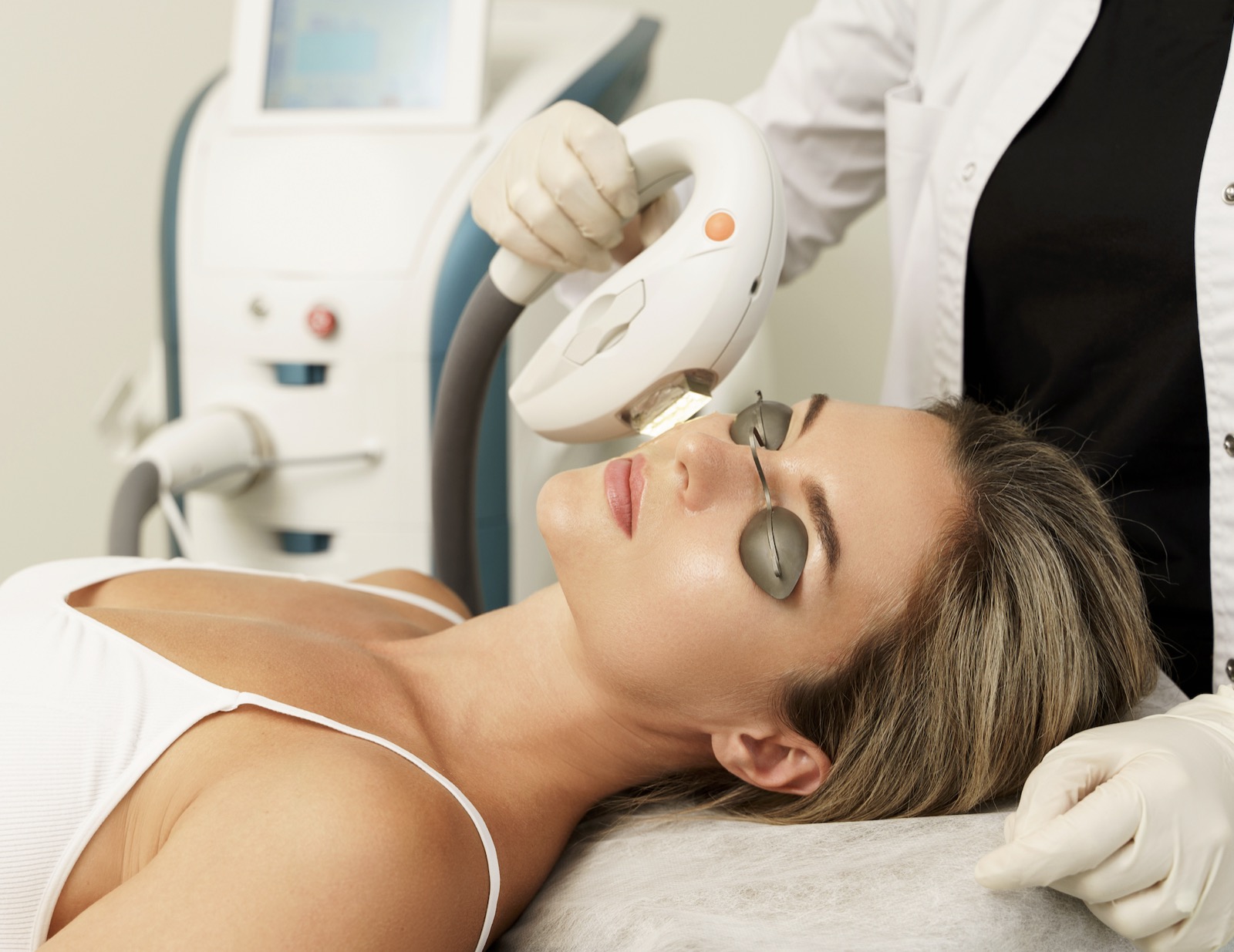

Patient receiving IPL (Intense Pulsed Light) treatment with protective eye shields in place

What Does IPL Actually Do?

IPL uses precisely calibrated pulses of light applied to the skin around your eyes. That light does several things at once:

Reduces inflammation. Chronic inflammation of the eyelids and meibomian glands is the engine that drives MGD, dry eye symptoms, and recurring styes. IPL targets the inflammatory blood vessels (telangiectasia) along the lid margin, reducing the inflammatory mediators that keep the cycle going. Less inflammation means healthier glands and more comfortable eyes.

Improves meibomian gland function. The thermal energy from IPL gently warms the meibomian glands, softening thickened oil and helping restore normal oil flow. When your glands produce healthy, clear oil again, your tear film stabilizes — and your eyes feel better.

Reduces bacterial load. The light energy helps reduce the bacterial colonies that thrive on inflamed, clogged eyelids — the same bacteria that contribute to stye formation and blepharitis.

Addresses rosacea-related eye problems. If you have ocular rosacea — redness, inflammation, and meibomian gland problems related to skin rosacea — IPL is particularly effective because it treats the vascular and inflammatory component that other therapies miss.

What to Expect During Treatment

IPL is quick, comfortable, and requires no downtime. Here’s what a session looks like:

Before your first treatment, we’ll do a thorough dry eye and meibomian gland evaluation to confirm that IPL is right for you and establish a baseline. We’ll discuss your symptoms, examine your glands, and make sure you’re a good candidate.

During each session:

  • You’ll recline comfortably in the treatment chair
  • After numbing drops, we place smooth metal shields on the eye surface to protect them during your treatment
  • A thin layer of cooling gel is applied to the treatment area (the skin around your eyes and across your cheeks)
  • The IPL device delivers a series of gentle light pulses — most patients describe the sensation as a warm snap, like a rubber band lightly flicking the skin. It’s well-tolerated; most people don’t find it painful.
  • After the light pulses, your doctor may perform meibomian gland expression — gently pressing on the lids to clear the softened oil from the glands

Each session takes about 15–20 minutes. You can go back to your normal activities immediately — no patches, no recovery time. Some patients have mild redness on the treated skin for a few hours, similar to a light sunburn, but it fades quickly.

How Many Treatments Will I Need?

Most patients do an initial series of 3–4 treatments, spaced about 2–4 weeks apart. This allows each session to build on the one before — progressively reducing inflammation and restoring gland function.

Many patients notice improvement after the first or second session — less burning, less redness, more comfortable eyes. The full benefit develops over the course of the series.

After the initial series, some patients benefit from maintenance treatments every 6–12 months, depending on the severity of their condition. Think of it like a dental cleaning — periodic upkeep to keep things running well.

What Does IPL Treat?

IPL is effective for several related conditions — and often, patients have more than one of these going on at the same time:

Meibomian gland disease (MGD) — the most common cause of dry eye. IPL addresses the inflammation and gland dysfunction directly.

Evaporative dry eye — caused by poor oil quality from dysfunctional meibomian glands. By restoring healthy gland function, IPL stabilizes the tear film.

Recurring styes and chalazia — if you keep getting bumps on your eyelids, IPL can break the cycle by treating the chronically inflamed, clogged glands that cause them. It’s a noninvasive alternative to repeated steroid injections or surgical drainage.

Blepharitis — chronic eyelid inflammation with crusting, redness, and irritation. IPL reduces the bacterial and inflammatory component.

Ocular rosacea — eye and eyelid inflammation associated with skin rosacea. IPL is one of the most effective treatments for this because it targets the abnormal blood vessels driving the inflammation.

Am I a Good Candidate for IPL?

IPL works well for most patients with MGD, chronic dry eye, or recurring styes — but it’s not for everyone. During your evaluation, we’ll consider:

  • Your skin type — IPL is safe and effective across a range of skin tones, but very dark skin tones require special consideration or may not be candidates. We’ll assess this at your consultation.
  • Current medications — some medications increase light sensitivity. We’ll review your medication list.
  • Recent sun exposure — heavily tanned skin needs to return to baseline before treatment. We’ll let you know if you need to wait.
  • Pregnancy — IPL is not performed during pregnancy.

If you’re not sure whether you’re a candidate, the best next step is to come in for an evaluation. We’ll tell you whether IPL is the right fit or whether a different approach makes more sense for your situation.

Common Questions About IPL

Most patients describe it as a warm snap or light flick — not painful, just noticeable. The cooling gel and protective eye shields keep you comfortable throughout. If you’ve had IPL on your face for skin concerns, the eye treatment feels similar.

No. You can go back to work, drive, and do your normal activities immediately. We recommend wearing sunscreen and avoiding heavy sun exposure on the treated skin for a few days, but that’s about it.

IPL for dry eye and MGD is typically considered an elective procedure and is not covered by most medical insurance plans. We’ll discuss costs with you upfront before starting treatment so there are no surprises. Many patients find the investment worthwhile, especially those who’ve been spending money on drops, lid products, and office visits for years without lasting improvement.

Drops and warm compresses manage symptoms — they provide temporary relief. IPL treats the underlying cause — the inflammation and gland dysfunction that’s producing those symptoms. That’s why many patients who plateau with drops and compresses see a real shift with IPL. They’re complementary, not competing approaches — most patients continue some at-home care alongside IPL, but with much better results.

Absolutely. IPL works well alongside prescription anti-inflammatory drops, omega-3 supplements, and good lid hygiene. For some patients, IPL reduces or eliminates the need for daily drops. We’ll build a combined plan based on what you need.

Your IPL Team

Dr. Troyer, Dr. Stratton, and Dr. Dale lead our IPL treatment program — from evaluation through treatment to follow-up.

Take the Next Step

If you think IPL might be right for you — or you’re tired of dealing with dry, irritated eyes or recurring styes — start with a dry eye evaluation. No referral needed. New patients always welcome.

Schedule Your Evaluation