Glaucoma is a condition where the optic nerve — the cable that carries visual information from your eye to your brain — gets damaged over time. The most common cause of that damage is pressure inside the eye that’s higher than what your optic nerve can tolerate.
Here’s the part that makes glaucoma tricky: you can’t feel it happening. There’s no pain, no redness, no warning sign that tells you something is wrong. Glaucoma takes your peripheral vision first — the edges of what you see — so slowly that your brain fills in the gaps without you noticing. By the time you realize something’s off, significant and permanent damage may have already occurred.
That’s why we check for glaucoma at every comprehensive eye exam, even if you feel fine.
You may have heard that “normal” eye pressure is somewhere around 10 to 21. And that’s roughly true as a population average. But here’s what most people don’t realize: there is no single pressure number that’s safe for everyone.
Some people have pressures of 22 or 23 and their optic nerves are perfectly healthy — they may never develop glaucoma. Other people have pressures of 15 or 16 and are losing vision. That’s called normal-tension glaucoma, and it’s more common than you’d think.
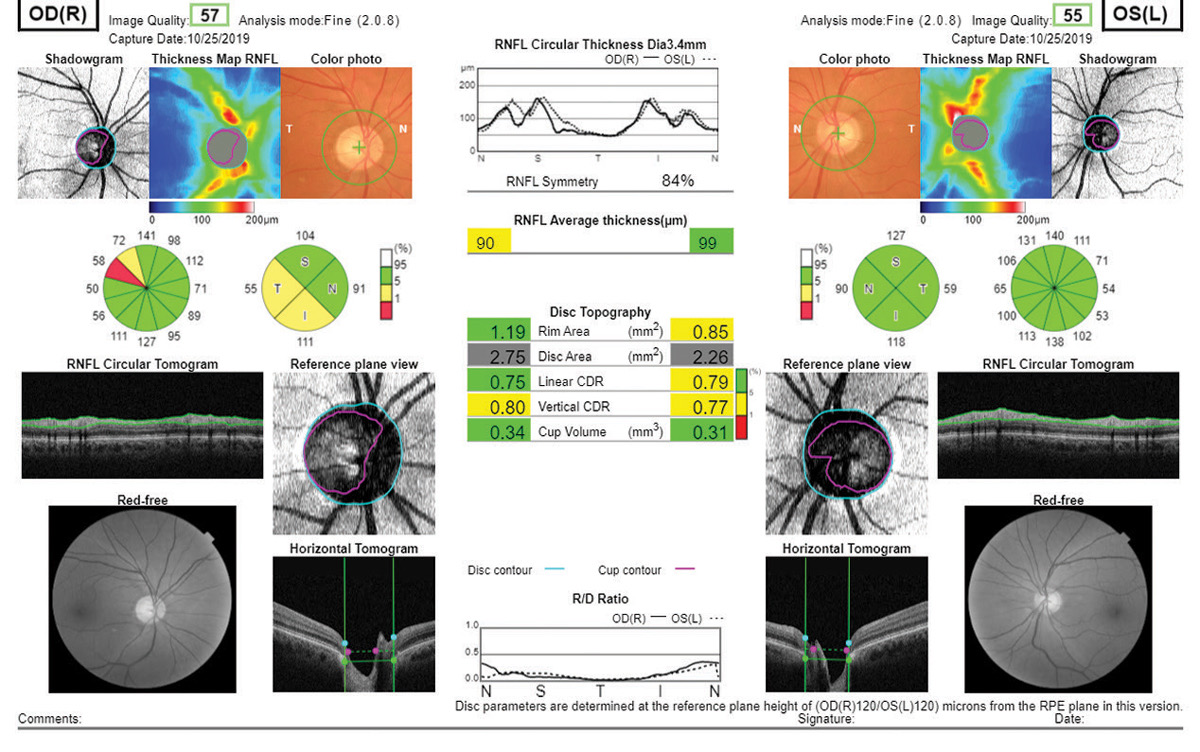
So how do we decide if your pressure needs to be lowered? We look at the whole picture:
We put all of this together to determine what your target pressure should be — the level where your optic nerve is most likely to stay stable. That target is different for every patient. And if your nerve looks healthy and stable at your current pressure, we may simply monitor you closely rather than start treatment right away.
For a long time, the standard first step for treating glaucoma was a daily eye drop. That’s changing. Selective Laser Trabeculoplasty (SLT) has become a first-line treatment for open-angle glaucoma — meaning it’s often what we recommend before drops, not after they’ve failed.
Why the shift? A landmark clinical trial (the LiGHT study) showed that patients who started with SLT had the same — or better — pressure control as patients who started with drops, with fewer medications needed over time and no increase in complications.
Here’s what makes SLT appealing:
SLT isn’t the right choice for every type of glaucoma or every patient. But for many people with open-angle glaucoma, it’s an excellent place to start.
Dr. Dale performs SLT laser treatments at our North Bend location. The procedure is quick, comfortable, and you’ll be in and out the same day. If your optometrist recommends SLT as part of your glaucoma management plan, they’ll coordinate directly with Dr. Dale to get you scheduled — no outside referral, no waiting months to see a specialist you’ve never met. It stays within your care team.
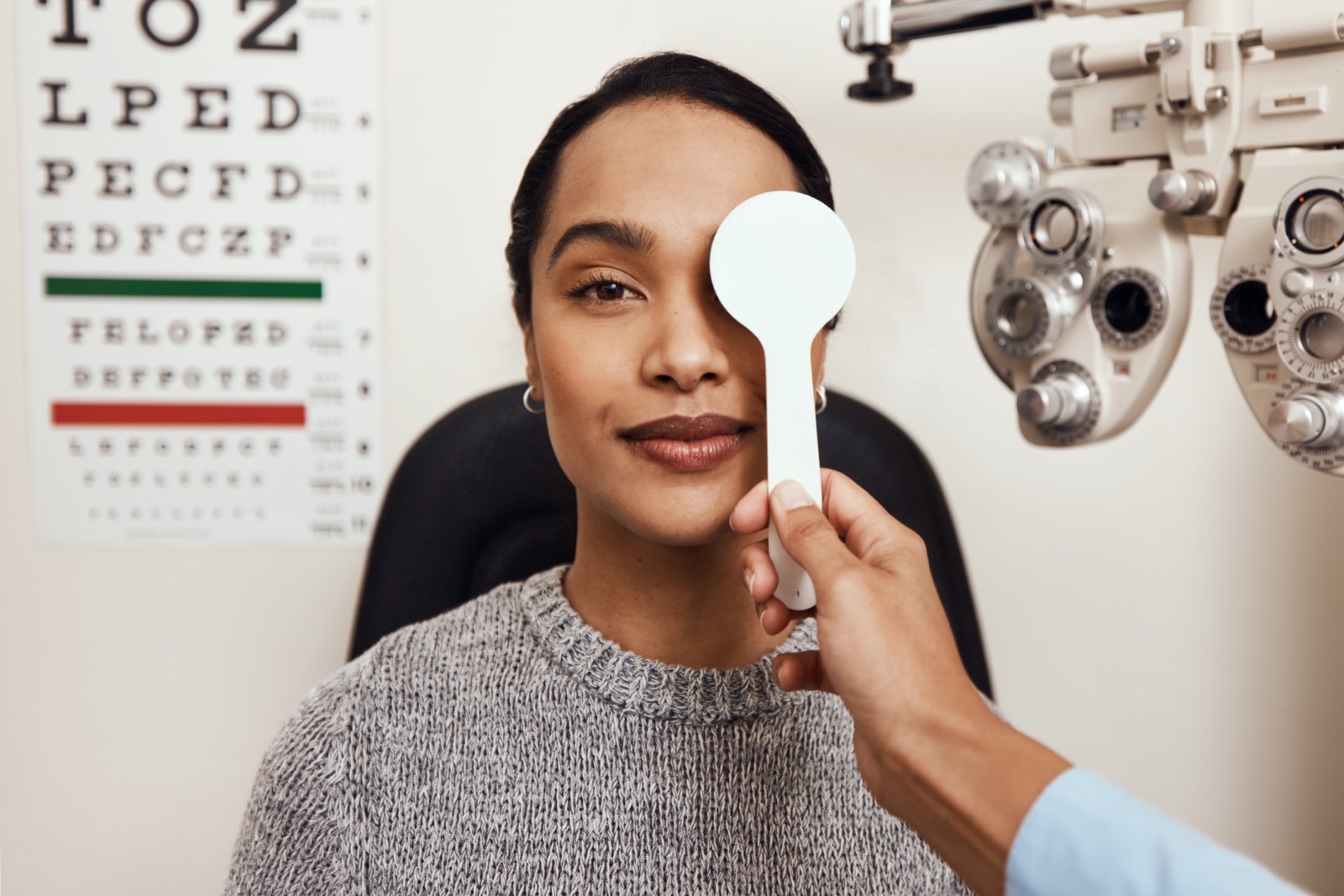
Eye drops are still a mainstay of glaucoma treatment, and sometimes they’re the best fit — either on their own, after SLT, or in combination with laser. There are many different types of drops available today, and they work by either helping fluid drain out of the eye more efficiently or reducing the amount of fluid the eye produces.
Here’s what matters most: if one drop doesn’t work for you, we have options. If it stings, causes redness, is too expensive, or you’re struggling to keep up with multiple drops at different times of day — tell us. We’ll adjust. The best glaucoma medication is the one you’ll actually use consistently, and we’d rather change your plan than have you quietly stop using it.
For some patients, SLT and drops don’t lower pressure sufficiently, or glaucoma continues to progress despite treatment. When that happens, there are surgical options. Minimally invasive glaucoma surgery (MIGS) has transformed what’s available — these are smaller, safer procedures that can be done at the time of cataract surgery or on their own, with faster recovery than traditional glaucoma surgery.
We’ll cover MIGS in detail on its own page, but know that if we ever get to the point where laser and drops aren’t doing enough, there are effective next steps — and we’ll walk you through all of them.
For most people, there’s no single cause you can point to. Open-angle glaucoma — the most common type — develops because the eye’s drainage system becomes less efficient over time. Think of it like a slow drain: fluid is still getting out, just not fast enough, and pressure gradually builds.
The biggest risk factors are things you can’t control: age (risk increases significantly after 60), family history (if a parent or sibling has glaucoma, your risk is 4–9 times higher), and race (Black patients are at higher risk, develop glaucoma earlier, and tend to have more aggressive disease). Other risk factors include high myopia (nearsightedness), thin corneas, diabetes, and long-term steroid use.
It’s not something you caused by using screens too much, reading in dim light, or anything else you did or didn’t do.
Yes — family history is one of the strongest risk factors. If you have a first-degree relative with glaucoma, make sure your eye doctor knows. And encourage your siblings and children to get comprehensive eye exams regularly, even if they have no symptoms. Early detection is everything with glaucoma.
You can’t prevent it, but you can catch it early and protect your vision if you do develop it. That means regular comprehensive eye exams — not just a vision screening or a glasses check, but a full exam where we look at your optic nerve, measure your pressure, and assess your risk factors. If you’re over 40 with a family history, or over 60 in general, annual exams are important.
A few things are worth knowing:
Most people with glaucoma who are diagnosed and treated in a timely way do not go blind. The key is early detection and consistent treatment. Glaucoma damage is permanent — we can’t restore vision that’s already been lost — but we can almost always slow or stop further loss. That’s why showing up for your follow-up appointments matters just as much as starting treatment in the first place.
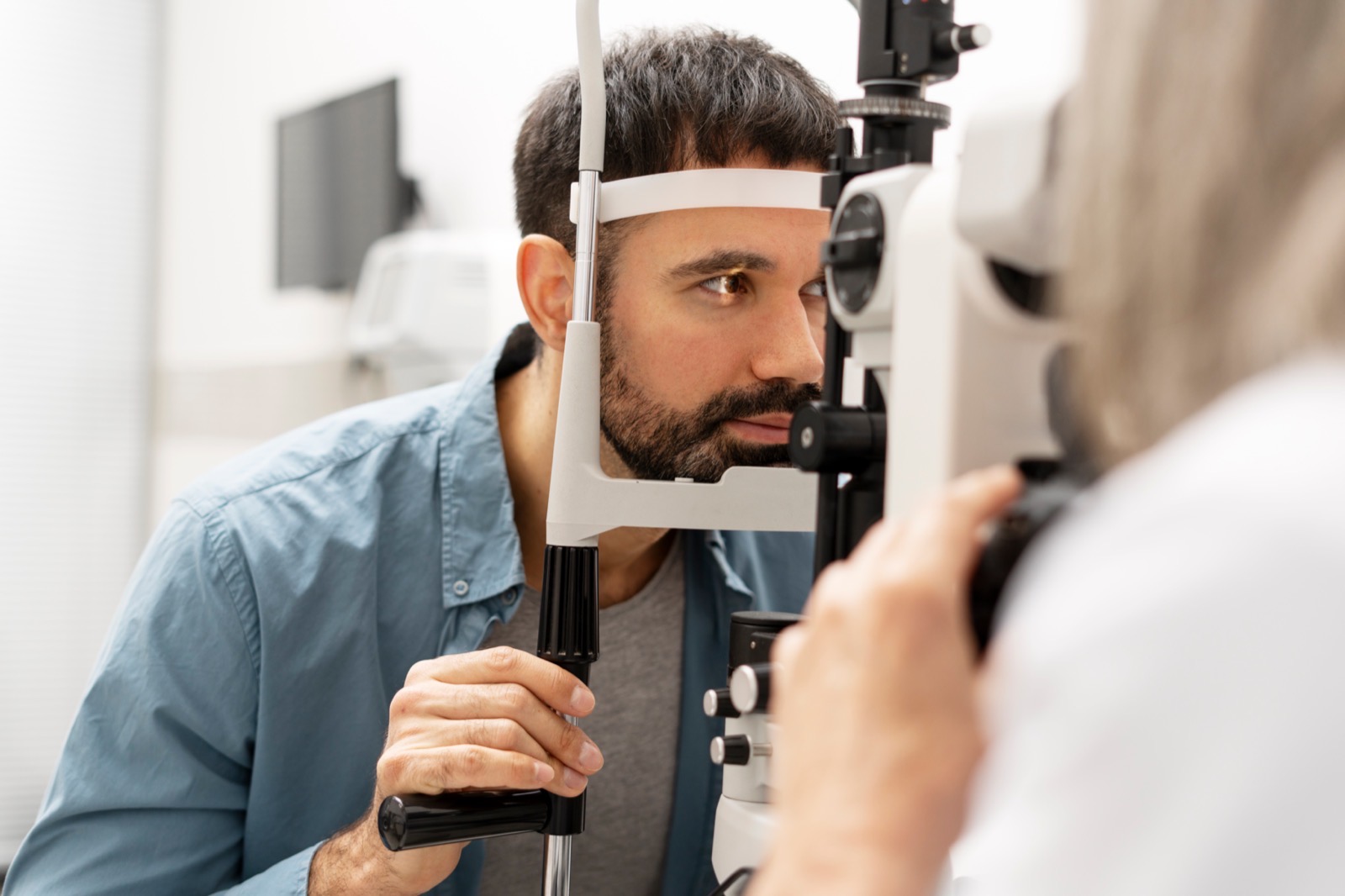
If we’re evaluating you for glaucoma — or monitoring glaucoma you’ve already been diagnosed with — here’s what a typical visit includes:
We know that’s a lot of testing. But glaucoma is a condition where the details matter — and every measurement helps us make better decisions about your care.
From routine screening to surgery, our optometrists and ophthalmologist work side by side — so your glaucoma care stays with doctors who know you.
New patients always welcome. No referral needed.
Schedule an Appointment