What Is a Cataract?

If your eye doctor told you that you have a cataract, you’re not alone — and you probably don’t need to panic. Cataracts are one of the most common eye conditions in the world, and most of us will develop them at some point in our lives. Think of it as a normal part of aging, not a disease that came out of nowhere.

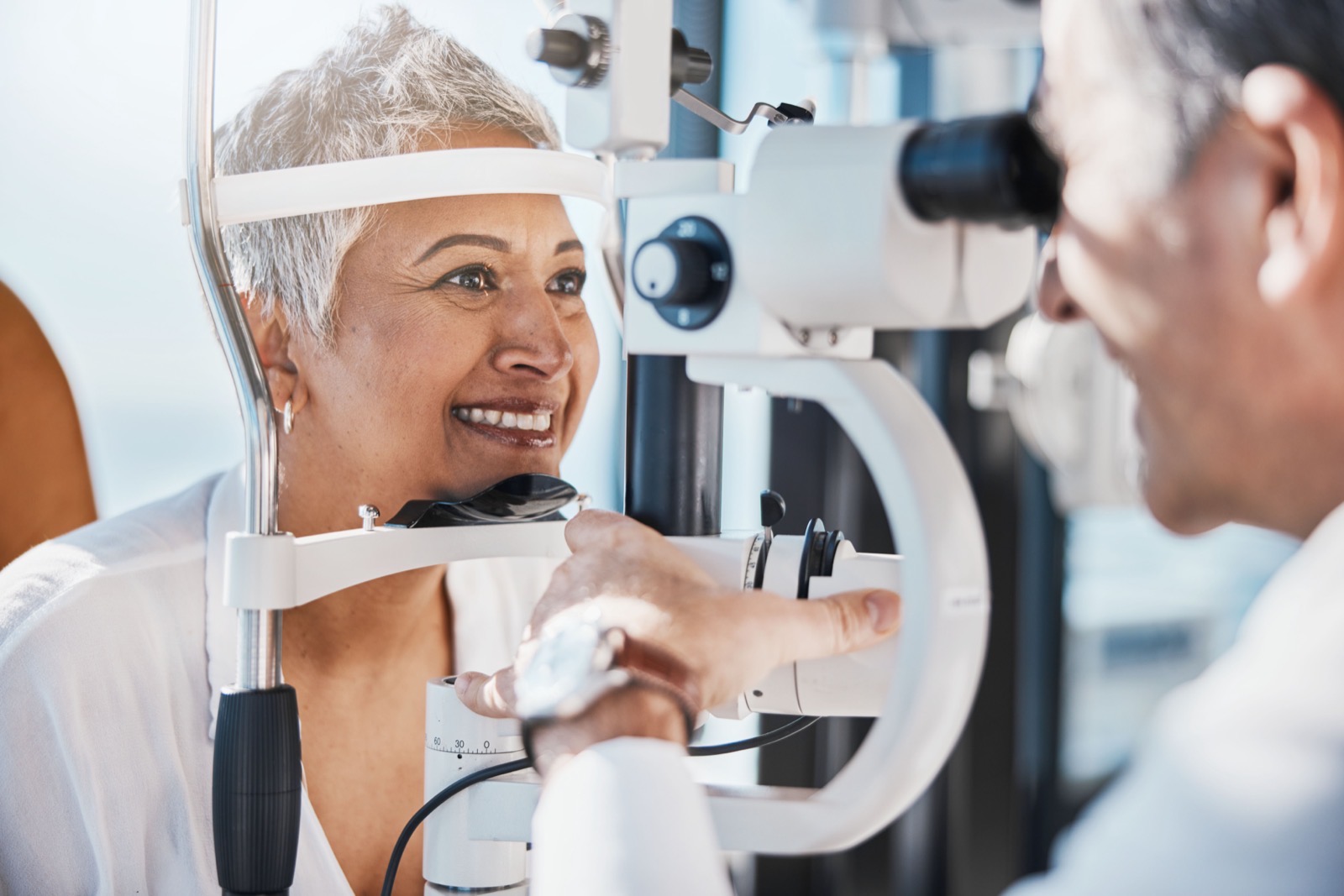
Smiling patient having her eyes examined at a slit lamp at Arbor Eyecare

A cataract is a clouding of the natural lens inside your eye. That lens sits right behind your pupil, and its job is to focus light so you can see clearly. When you’re young, the lens is crystal clear and flexible. Over time — usually starting in your 40s or 50s — the proteins in the lens begin to break down and clump together. That’s the clouding. And that’s your cataract.

It’s a gradual process for most people. You might not even know it’s happening at first.

How Will I Know if I Have Cataracts?

Cataracts don’t hurt. There’s no redness, no irritation. What you’ll notice is that things just start to look... different. Some of the most common signs include:

  • Blurry or hazy vision that doesn’t sharpen up, even with your glasses on
  • Glare or halos around lights, especially when driving at night
  • Colors that seem faded or yellowed, like you’re looking through a dingy window
  • Needing more light to read or do close-up work
  • Frequent changes to your glasses prescription that don’t seem to last
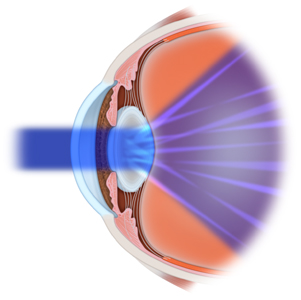
Diagram of the eye showing light passing through the lens

Here’s what’s important to know: many of these symptoms can also be caused by something other than your cataract. A change in your glasses prescription, dry eye, or other eye conditions can cause blurry vision too. That’s why, if your vision is bothering you, the best first step is to see your primary eye care provider — your optometrist — before assuming you need cataract surgery.

At Arbor Eyecare, our optometrists see patients with early cataracts every single day. Sometimes the answer is surgery. But often, it’s an updated pair of glasses, a tweak to your contact lens prescription, or treatment for dry eye that makes a real difference.

If you’ve been told you have a cataract, or if you’re noticing changes in your vision — blurriness, glare, trouble at night, colors looking dull — start with a comprehensive eye exam with one of our optometrists. We’ll figure out what’s going on and whether your symptoms are from your cataract, a prescription change, dry eye, or something else entirely. No referral needed.

Your Primary Eyecare Team

Our primary eyecare providers help patients with cataracts know whether or not it’s time to consider surgery.

Common Questions About Cataracts

Honestly? Because you have eyes and you’re getting older. That’s the number one reason. The proteins in your lens break down naturally over time — it happens to virtually everyone if they live long enough. It’s not something you did wrong, and it’s not something you could have entirely avoided.

That said, some people develop cataracts earlier or faster than others. Risk factors beyond age include diabetes, smoking, prolonged steroid use, significant sun exposure without UV protection, and previous eye injuries or surgeries.

There’s no one-size-fits-all answer. For most people with age-related cataracts, the progression is slow — we’re talking years, not months. You may go a long time between when your cataract is first detected and when it starts to meaningfully affect your vision.

Most cataracts are a normal part of aging, but sometimes there is a genetic component. If your parents or siblings developed cataracts at a relatively young age, you may be more likely to as well. But genetics is just one piece of the puzzle — lifestyle and health factors play a significant role too.

You can’t fully prevent age-related cataracts — they’re a natural part of how the lens ages. But you can take steps that may slow their progression and protect your overall eye health:

  • Wear sunglasses with UV protection. This is one of the simplest and most impactful things you can do. UV exposure accelerates protein breakdown in the lens.
  • Don’t smoke. Smokers develop cataracts earlier and faster. If you smoke, quitting helps.
  • Manage chronic conditions. Keeping diabetes and blood pressure under control matters for your eyes, not just the rest of your body.
  • Eat well. Diets rich in antioxidants — dark leafy greens, colorful fruits and vegetables, fish — support lens health. No supplement has been proven to prevent cataracts, but a healthy diet is good medicine overall.
  • Protect your eyes from injury. Wear safety glasses when appropriate.

The same habits that help with prevention can help slow progression — especially UV protection, not smoking, and managing diabetes. But once a cataract has formed, there’s no eye drop, vitamin, or treatment that can reverse it or make it go away. The only way to remove a cataract is surgery, and the good news is that when the time comes, cataract surgery is one of the safest and most successful procedures in all of medicine.

Schedule Your Eye Exam

New patients always welcome. Most insurance plans accepted.

Schedule an Appointment